

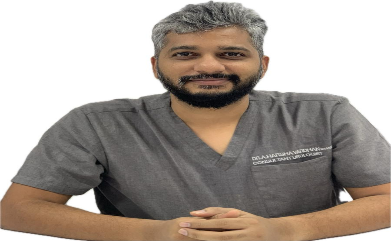
Dr. A. Harsha Vardhan, MCh Urologist based in Kakinada, emphasized the need to break the silence around bladder health in younger populations.
“There is a common misconception that urinary issues only affect the elderly, but we are increasingly seeing young, otherwise healthy women struggling with Overactive Bladder. Many of them endure symptoms in silence, believing it is a passing issue or too embarrassing to discuss—even with a doctor. What they don’t realize is that OAB is a medical condition with effective treatment options. Early diagnosis is crucial, as it can prevent worsening symptoms and reduce the psychological toll that often accompanies chronic bladder issues. We must foster a culture where women feel comfortable seeking help and where healthcare systems are equipped to respond with empathy and expertise.”
The multifactorial causes of OAB—ranging from neurological, lifestyle, and pelvic floor dysfunction—demand a comprehensive approach to care. Despite growing cases, awareness remains low, and many women normalize the condition or delay seeking care due to social embarrassment.
Experts warn that if left unaddressed, the prevalence may rise sharply by 2025, further straining limited urological resources in the region. Research from national sources indicates that urge incontinence due to OAB makes up a significant share of total urinary incontinence cases, affecting both physical and emotional health.
Healthcare professionals are urging policymakers to fund more awareness campaigns, especially in Tier 2 and 3 cities like Kakinada, and to establish dedicated pelvic floor rehabilitation programs for younger populations. These efforts could reduce long-term complications, prevent progression, and empower women to seek timely care without hesitation.
As awareness grows and the clinical understanding of urinary incontinence in young women deepens, Andhra Pradesh must prioritize the silent but significant issue of Overactive Bladder—before the statistics outpace the solutions.
