

In large parts of India’s forested belt, development has long been synonymous with extraction. Forests were cleared, minerals excavated, and industrial corridors expanded. The ecological cost was treated as inevitable.
But across landscapes stretching from the foothills of the Satpura Range in Madhya Pradesh to the buffer zones of the Dalma Wildlife Sanctuary in Jharkhand, a different approach is taking shape. One that attempts to align conservation with income.
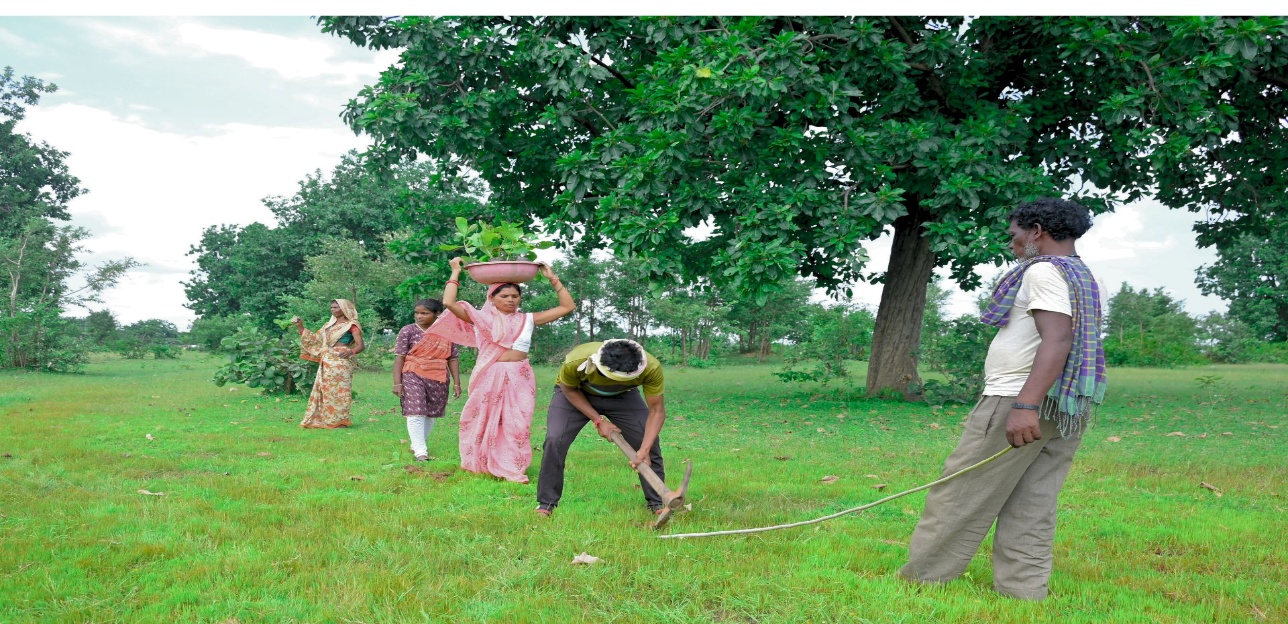
Over the past three years, social enterprise IMPCA has facilitated the planting of more than 11 million trees across multiple states, working closely with tribal and rural communities.
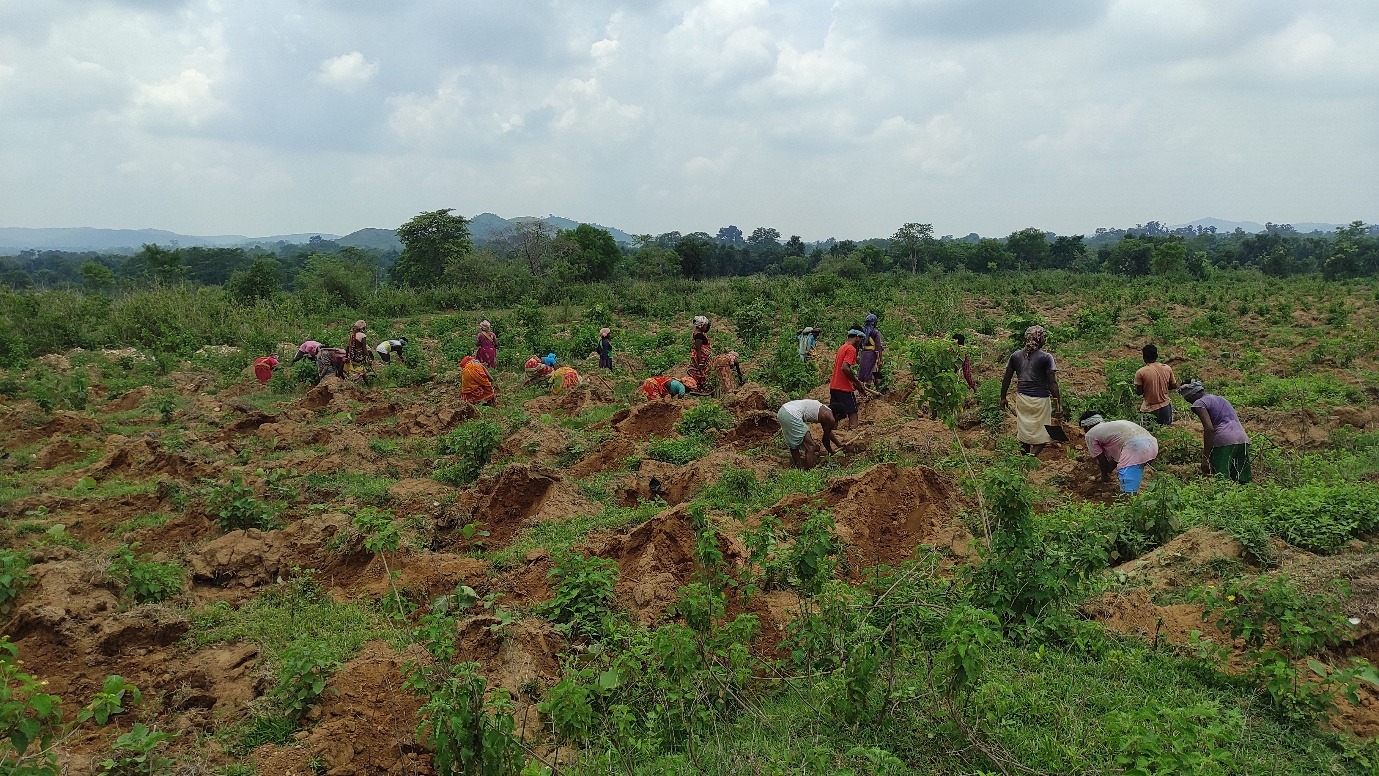
In Madhya Pradesh alone, nearly 18,000 farmers are engaged in restoration efforts. In West Bengal, around 360 farmers are part of a million-tree initiative. In Jharkhand, approximately 300 tribal families are participating in the early stages of a larger two million tree plan, beginning with a five lakh plantation phase scheduled for 2026.
But beyond numbers, the shift is visible on the ground.
From Degraded Land to Productive Landscape
Many participating farmers describe their land as unproductive for decades. Rain-fed agriculture brought uncertain returns. Some plots lay barren. Others yielded marginal crops.
“We had almost stopped expecting anything from that piece of land,” says Ramesh Soren, a participating farmer from Jharkhand. “It was dry and degraded for years. Now we are planting trees on part of it. We know it will take time, but at least the land has a future again.”
Under the model, plantations are carried out based on soil conditions, geography and community preference rather than uniform monoculture. IMPCA reports an average survival rate of 80 percent by the end of the third year, supported by an annual mortality replacement system. In India’s afforestation landscape, the third-year benchmark is widely considered a meaningful indicator of long-term viability.
Beyond ecological restoration, the project generates immediate employment. Community members receive wages during plantation cycles. Selected villagers are paid monthly as caretakers responsible for maintenance, monitoring and protection of the saplings.
For many households, that steady income fills a crucial gap between agricultural seasons.
Building Income Around Ecology
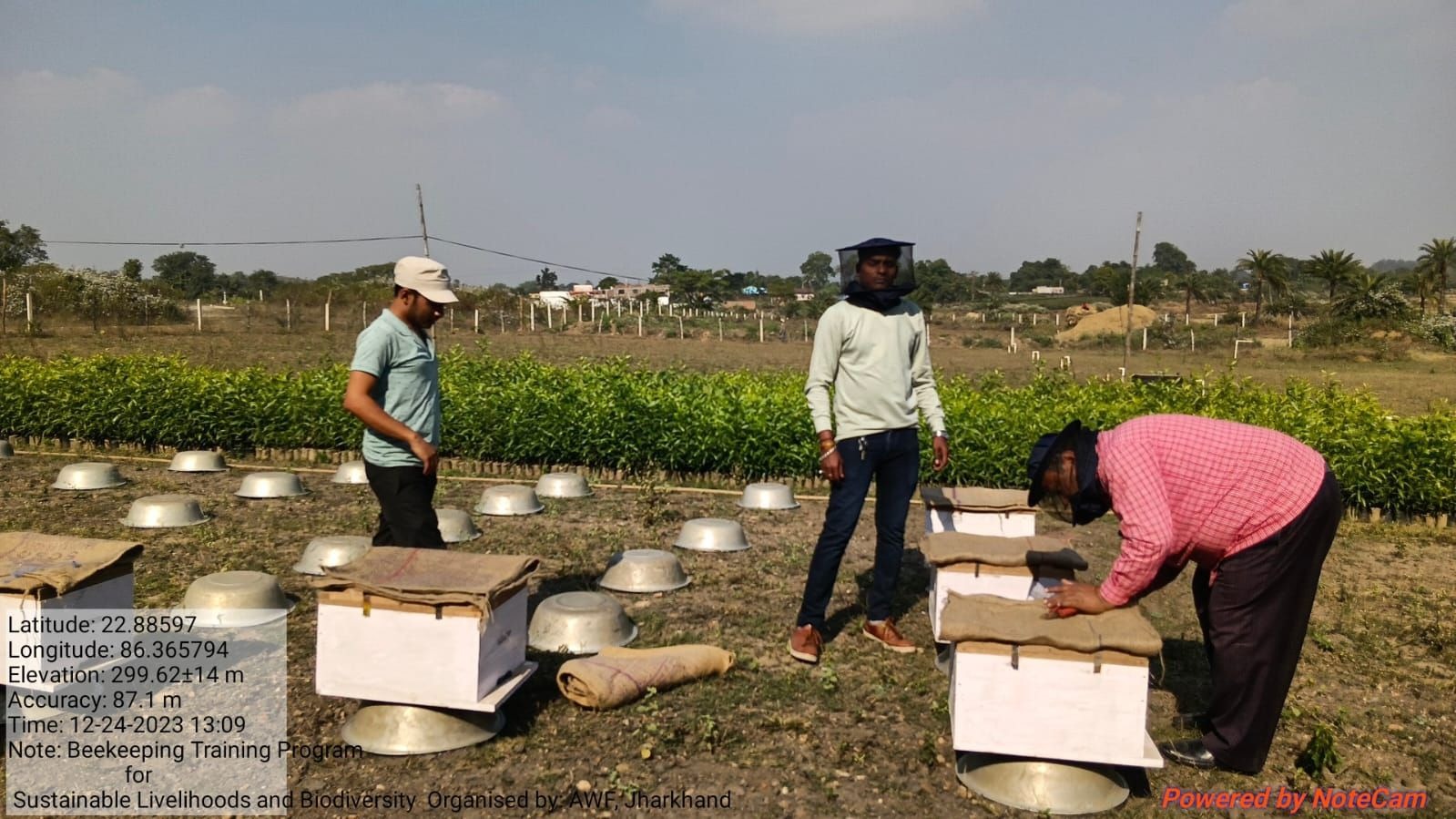
The initiative extends beyond tree planting. Farmers are supported in developing allied activities such as beekeeping, fish farming through pond creation, lemongrass cultivation and handicraft production.
On average, participating farmers are able to generate around ₹40,000 per year from these supplementary activities. This income comes in addition to free plantations on degraded land and potential revenue sharing from future carbon credits.
Honey production benefits from improved pollination. Lemongrass offers quicker harvest cycles while stabilising soil. Fish ponds enhance water retention in restored areas. Organic festival products made from natural materials reduce chemical usage while creating seasonal income streams.
Products are marketed through aadivasi.org, connecting rural producers with urban consumers seeking ethically sourced goods.
The financial backbone of the initiative is structured carbon finance.
Afforestation projects, when designed with rigorous baselines and third-party verification under standards such as those governed by Verra, can generate carbon credits representing measurable carbon sequestration.
Carbon markets have faced global scrutiny over transparency and additionality. However, climate science remains clear that ecosystem restoration is among the most cost-effective natural climate solutions. The Intergovernmental Panel on Climate Change has repeatedly emphasised the mitigation potential of reforestation when implemented responsibly.
IMPCA integrates corporate social responsibility funding with long-term carbon models. Rather than limiting CSR to one-time plantation drives, the structure aims to create recurring value tied to verified climate outcomes.
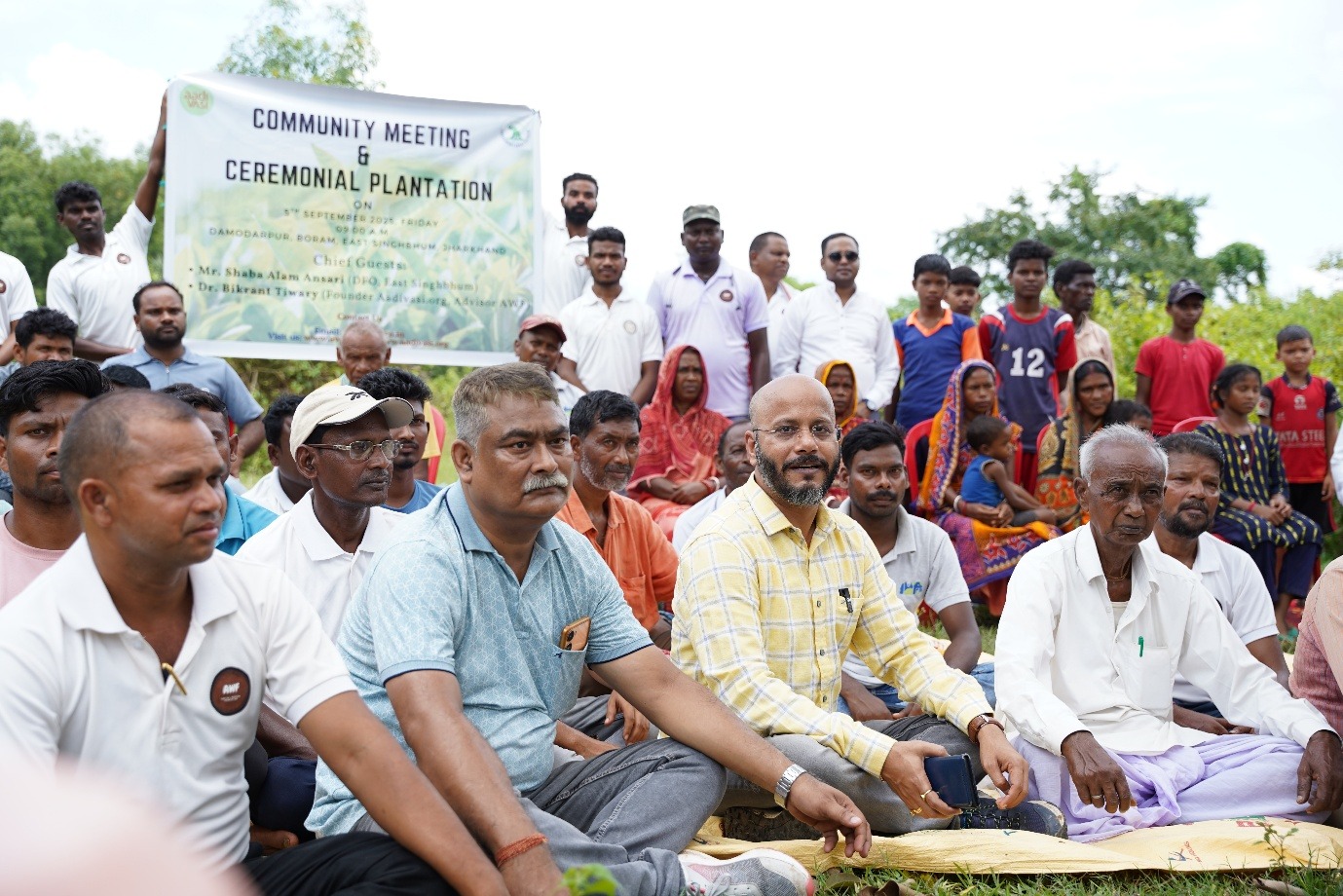
Dr Bikrant Tiwary, Director of IMPCA, believes the development narrative in forested districts needs rethinking.
“For decades, we assumed development meant clearing forests and expanding industrial activity,” he says. “But if we design restoration properly, forests themselves can generate livelihoods. Carbon finance allows companies to meet climate commitments, and at the same time, communities earn from protecting and growing trees. That alignment is powerful.”
Restoration in Biodiversity Corridors
The expansion planned around Dalma carries particular ecological importance. The sanctuary forms part of an established elephant movement corridor in eastern India. Habitat degradation and fragmentation in such corridors have contributed to rising human-wildlife conflict.
Restoration in buffer landscapes can reduce ecological pressure on core habitats. Research across conservation regions shows that when communities derive tangible income from forest health, tolerance for wildlife improves.
In Madhya Pradesh’s Satpura landscape, restoration efforts similarly contribute to improved soil structure and water retention. Degraded patches gradually regain vegetation cover, reducing erosion.
The Road Ahead
Scaling restoration while maintaining credibility will be the defining challenge. Large-scale tree initiatives globally have faltered when survival rates dropped or benefit-sharing mechanisms lacked transparency.
IMPCA maintains that its plantations are aligned with internationally recognised standards and incorporate ongoing monitoring. The reported 80 percent third-year survival rate, if independently validated and sustained, places the initiative in a stronger position than many short-cycle plantation drives.
The broader significance, however, lies in reframing the development question.
If degraded land can be revived.
If communities can earn ₹40,000 annually from ecological enterprises.
If carbon-linked financing can support long-term stewardship.
Then forests need not be viewed as obstacles to progress.
In regions historically defined by extraction, a different equation may be emerging. One where conservation does not compete with livelihoods, but underwrites them.
